How Shockwave Therapy Supports Sports Injury Recovery
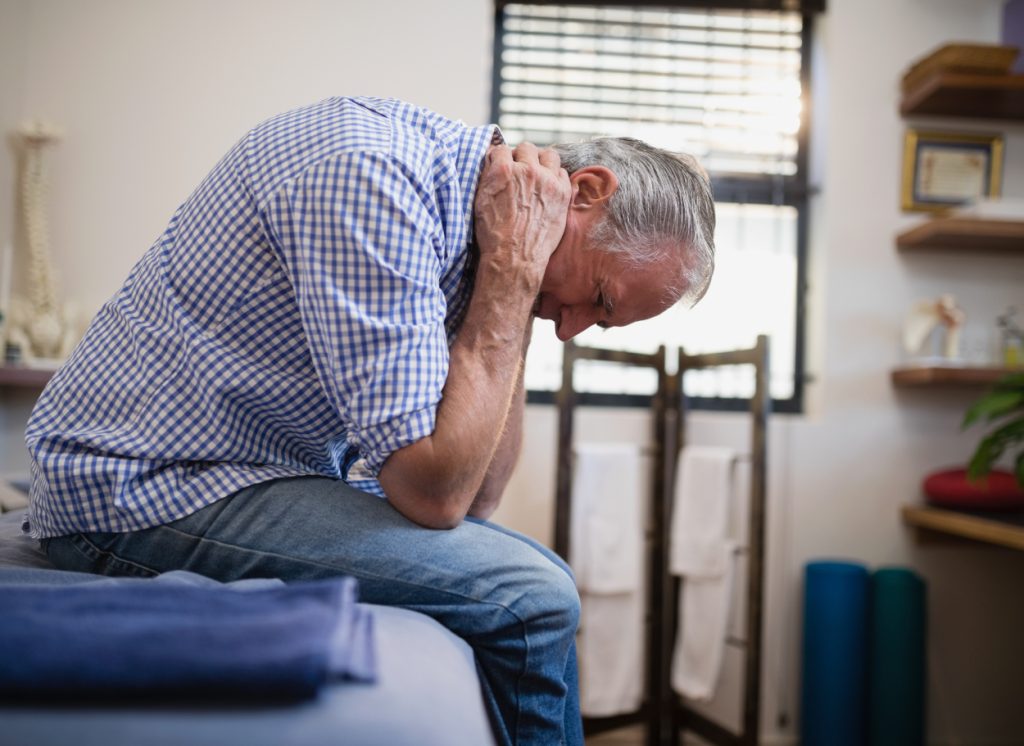

An athlete can do almost everything right and still end up sidelined. Training loads are managed, strength work is consistent, recovery habits are solid, and then a tendon starts barking after a run, a heel turns sharp and stubborn, or a hamstring insertion becomes tender enough to change mechanics. Sports injuries are rarely just about pain. They interfere with rhythm, confidence, performance, and timing. For a competitive athlete, a few lost weeks can alter a season. For a recreational runner or tennis player, they can erode motivation fast.
That is where Shockwave Therapy has earned a place in modern sports medicine. It is not magic, and it is not the right answer for every problem. But in the right case, used at the right time, it can help move a lingering injury out of a stalled pattern and back toward recovery. Clinicians who work with active patients tend to value it for one main reason: it can be practical. It does not require surgery, it usually takes only a few minutes per session, and it often fits well alongside exercise-based rehab rather than replacing it.
The key is understanding what it actually does, where it tends to help, and where expectations need to stay realistic.
Why stubborn sports injuries are different
Acute injuries and persistent overload injuries behave differently. A fresh ankle sprain has swelling, bruising, and a relatively clear mechanism. The rehabilitation path is often straightforward. Tendon pain is another story. Plantar fascia irritation can simmer for months. Achilles tendinopathy can improve, then flare again as soon as hill work returns. Patellar tendon pain may settle enough for daily life but resist jumping, sprinting, or rapid deceleration.
These conditions often sit in a frustrating middle ground. The tissue is not acutely torn, but it is not coping well with demand. There may be disorganized collagen, changes in blood vessel growth, local nerve sensitivity, altered load tolerance, and pain that outlasts the original trigger. That is why rest alone so often disappoints active people. The symptoms may ease for a while, but the tissue is still unprepared for the forces of sport.
In clinical practice, this is the group that most often asks about Shockwave Therapy. Not because it is fashionable, but because they have already tried the basics. They have stretched, iced, foam rolled, reduced training, changed shoes, maybe even had massage or dry needling. Sometimes those steps help, sometimes they simply pass time. Shockwave tends to enter the picture when recovery has plateaued.
What Shockwave Therapy actually is
Shockwave Therapy uses acoustic waves delivered through the skin into the injured area. The treatment is designed to stimulate biological responses within tissue, especially where healing has become sluggish or incomplete. In sports medicine, clinicians generally use one of two forms: focused shockwave or radial pressure wave therapy. The names matter less to patients than the application, but the distinction does affect depth, energy delivery, and treatment strategy.
A focused system concentrates energy more deeply and precisely. A radial system disperses energy more broadly and is often used for more superficial structures. Both can be useful. What matters most is matching the device and dosage to the diagnosis, the tissue involved, and the patient’s tolerance.
The sensation is usually intense but brief. Most athletes describe it as sharp, uncomfortable tapping over a very specific spot, especially if the tissue is irritated or degenerative. It should be tolerable, not punitive. A good clinician adjusts the energy level, location, and number of pulses based on the response in the room, rather than blindly following a machine preset.
How it supports tissue recovery
The effects of Shockwave Therapy are best understood as stimulatory rather than purely pain-masking. It is often used to encourage a biological shift in tissue that has become stagnant. Research and clinical experience suggest several plausible mechanisms: improved local circulation, stimulation of cellular activity involved in repair, modulation of pain signaling, and support for tissue remodeling over time.
That last point is especially important for tendons. A painful tendon is not just “tight.” It may be structurally and metabolically underperforming. The goal is not simply to calm symptoms for a few days. The goal is to create a better environment for adaptation, then pair that with loading exercises that rebuild capacity.
This is why Shockwave Therapy works best as part of a rehabilitation plan. On its own, it may reduce pain and create momentum. Combined with strength work, progressive loading, technique adjustment, and return-to-sport planning, it becomes much more useful. One without the other often falls short. A tendon that feels slightly better but is never reconditioned is still vulnerable.
The injuries where it tends to be most useful
In sports settings, Shockwave Therapy is most commonly discussed for chronic tendon and fascia problems. These are not the only uses, but they are the areas where clinicians most often see consistent value.
- Achilles tendinopathy
- Plantar fasciopathy
- Patellar tendinopathy
- Tennis elbow
- Proximal hamstring tendinopathy
Even within this short list, the response can vary. A runner with insertional Achilles pain may need more careful programming than someone with mid-portion tendon symptoms. A volleyball player with patellar tendon pain may respond well, but only if jumping volume is reduced long enough for tissue loading to progress intelligently. A tennis player with lateral elbow pain may improve faster if grip mechanics, racket setup, and forearm strength are addressed at the same time.
In other words, the diagnosis alone does not determine success. The surrounding context matters just as much.
Why athletes often notice progress after it
When Shockwave Therapy is effective, the first change is not always dramatic pain relief. More often, the tissue becomes less reactive over a series of treatments. Morning heel pain may ease. Warm-up stiffness may shorten. The sharp “first few steps” sensation after sitting can fade. Running or lifting may still require management, but the ceiling starts to lift.
That matters because rehabilitation depends on capacity. If a https://regwang.gumroad.com/p/how-shockwave-therapy-is-used-in-orthopedic-clinics-8b48255a-ff77-4acb-922c-b664f764dcc2 treatment helps reduce irritability enough for an athlete to perform strengthening drills, maintain better movement quality, and tolerate gradual reloading, it has done something meaningful. The tissue can begin adapting again.
A common example is plantar fasciopathy in runners. Many arrive after months of heel pain, especially with first steps in the morning or after driving. They may have changed footwear, reduced mileage, stretched the calf, even tried rest blocks that only helped temporarily. When Shockwave Therapy is added to a plan that also addresses calf strength, foot loading, and running progression, the improvement can be significant. Not overnight, but often within several weeks.
The same is true with patellar tendon pain in jumping sports. If an athlete can move from pain during every jump session to pain that is more predictable, lower in intensity, and easier to settle afterward, that shift opens the door to proper tendon loading. Those are the wins that matter.
Timing matters more than people think
One of the most common misunderstandings is assuming Shockwave Therapy is best for every painful injury as soon as it appears. That is not usually how experienced clinicians use it. Fresh muscle tears, recently sprained ligaments, and acute inflammatory states often need a different early strategy. Protect the tissue, restore motion, control swelling, and reintroduce load appropriately. Shockwave has less of a starring role there.
Its value tends to rise when an injury becomes persistent, especially after several weeks or months of incomplete recovery. That timeline is not rigid, but it reflects a simple reality: some tissues need time and intelligent loading before an adjunct treatment makes sense. Using everything at once can muddy the picture and create false expectations.
There is also a difference between using shockwave early in a chronic presentation and using it late after many failed attempts. In my experience, results are often better when it is introduced after a plateau becomes clear, not after a year of unstructured trial and error. Once movement patterns, tendon tolerance, and conditioning have all deteriorated, recovery usually takes longer no matter what is added.
What a typical treatment course looks like
Most treatment plans involve a short series rather than a single session. A common pattern is three to six visits spaced about a week apart, though this varies by diagnosis, device, dosage, and clinician preference. The session itself is usually brief. The therapist identifies the painful or affected region, applies gel, and delivers a set number of pulses to the target tissue.
Athletes often ask whether they should stop all training during this period. Usually, no. Complete shutdown is rarely the goal unless the tissue is highly reactive. More often, the plan is to modify load. Sprint volume may come down. Hill sessions may be removed. Plyometrics may pause while strength work continues. The treatment works best when the overall load picture is controlled rather than chaotic.
A reasonable treatment plan usually includes these elements:
- a clear diagnosis, not just a painful body part
- dose-adjusted Shockwave Therapy over a set number of sessions
- progressive strengthening matched to the injured tissue
- temporary sport modification to reduce overload
- follow-up reassessment based on function, not pain alone
That last point deserves emphasis. Pain matters, but function matters more. If the athlete is sleeping better, warming up faster, tolerating more load, and recovering better after training, the plan is probably moving in the right direction, even if some symptoms remain.
What it feels like during and after treatment
The honest answer is that Shockwave Therapy can hurt. Not unbearable, not harmful when used properly, but uncomfortable enough that patients should know what they are signing up for. The intensity depends on the area being treated, the energy used, and individual sensitivity. The heel, elbow, and tendon insertions are often more tender than broad muscle tissue.
Afterward, many athletes feel a temporary ache or local soreness for a day or two. That is not automatically a bad sign. It is often just a treatment response. Most clinicians advise avoiding aggressive anti-inflammatory strategies immediately afterward unless there is a specific reason, since the therapy is intended to stimulate a biological response rather than shut one down. Gentle activity is usually fine. Heavy loading on the same day may or may not be, depending on the tissue and the plan.
This is where communication matters. If an athlete has a major competition in forty-eight hours, treatment timing needs thought. If the tissue typically flares after intervention, scheduling the session right before a race is poor judgment. Good sports medicine is not only about what works in theory. It is about what fits the calendar, the season, and the demands of the athlete’s sport.
Where the evidence and real-world practice line up
The evidence for Shockwave Therapy is strongest in some chronic soft tissue conditions, especially plantar fasciopathy and certain tendinopathies. That does not mean every study is unanimous, or that every clinic gets the same results. Research quality varies. Protocols differ. Devices differ. Patient selection differs. That is one reason athletes hear mixed opinions.
Still, there is enough clinical and research support for many sports medicine practitioners to consider it a legitimate option when standard rehab alone has stalled. The best results tend to come when the diagnosis is accurate and the problem fits the mechanism of the treatment. Chronic Achilles tendinopathy is one thing. Diffuse calf tightness after a sudden spike in mileage is another.
One practical lesson from clinic work is that the athlete’s story often predicts the outcome almost as much as the imaging. Someone with six months of focal tendon pain, clear load aggravators, and a tissue-specific strength deficit often fits the profile. Someone with widespread pain, poor sleep, heavy stress, and no consistent mechanical pattern may need a broader plan. No machine solves a system-wide recovery problem.
Trade-offs, limitations, and when not to use it
A professional discussion of Shockwave Therapy has to include its limits. It is not a cure-all, and it is not always comfortable, cheap, or necessary. Some patients improve beautifully with exercise and load management alone. Others try shockwave and notice little change. Both outcomes are possible.
Certain situations also call for caution or avoidance, depending on the device and medical context. These can include bleeding disorders, local infection, some nerve-related symptoms, certain medication issues, pregnancy in specific treatment regions, or treatment directly over particular structures that should be avoided. A qualified clinician screens for these before starting.
There is also the issue of expectations. Some athletes arrive hoping for a quick fix because they have a race, a playoff run, or a trip scheduled. Sometimes symptom relief comes quickly. Often, it does not. Tissue adaptation still takes time. If the underlying overload remains untouched, the problem can return. The phrase I use most with active patients is simple: the treatment can help create an opening, but rehab has to walk through it.
How it fits with strength, mobility, and return-to-sport work
The most effective use of Shockwave Therapy is usually boring in the best possible sense. It sits inside a disciplined plan. Calf raises progress from double-leg to single-leg to heavy slow resistance. Tendon isometrics are used strategically when pain is high. Running volume is rebuilt with restraint. Landing mechanics are cleaned up. Hip and trunk deficits are addressed if they are contributing. Footwear and surface changes are considered when relevant.
That may not sound glamorous, but that is how good recoveries happen. Shockwave helps the tissue become more receptive. Exercise teaches it to handle force again.
Consider an Achilles case in a field sport athlete. If treatment reduces tendon irritability by even 20 to 30 percent, the athlete may be able to perform heavy calf loading with better quality and less post-session flare. Over several weeks, that can snowball into improved tendon stiffness, better push-off confidence, and a more normal sprint pattern. The treatment itself did not restore performance. It made performance rehab more achievable.
The same applies to proximal hamstring tendinopathy, one of the most stubborn conditions in running and field sports. Sitting pain may dominate daily life while speed work triggers training pain. Shockwave may help settle the area enough to allow progressive bridge work, hip extension loading, and eventual sprint reintroduction. Without that progression, any early symptom relief tends to be fragile.
Choosing a qualified provider
The quality of decision-making around the treatment matters as much as the machine. Athletes do best with clinicians who can diagnose sports injuries accurately, explain why shockwave is or is not appropriate, and build a full rehab plan around it. A provider who offers the same protocol to every painful tendon is not practicing at a high level.
A good consultation should feel specific. The clinician should ask how the pain behaves with warm-up, what training load changed before symptoms began, how the tissue reacts the next day, what treatments have already been tried, and what performance goal matters most right now. Those details shape the plan.
It should also be clear how progress will be measured. Pain scale alone is not enough. Morning stiffness duration, hop tolerance, calf raise capacity, sprint exposure, jump volume, or return-to-play benchmarks all provide a better picture.
What athletes should expect from recovery
The athletes who handle Shockwave Therapy best are usually the ones who see it as one useful lever, not the whole machine. They show up, tolerate a few uncomfortable sessions, follow the loading plan, resist the urge to test the injury every other day, and give the tissue a fair chance to adapt. Those habits matter more than enthusiasm for the treatment itself.
Recovery timelines still vary. Some chronic heel pain cases improve noticeably within three to four weeks. A heavily loaded patellar tendon in a jumping athlete may take longer. An older recreational runner with years of intermittent Achilles pain may improve more gradually than a younger athlete with a shorter symptom history. The body does not care much about our deadlines.
That said, there is real value in a treatment that can help shift a persistent injury when progress has stalled. For sports medicine clinicians, that is the appeal of Shockwave Therapy. It fills a practical gap between passive waiting and invasive intervention. It gives irritated, underperforming tissue a meaningful stimulus, and when paired with smart rehabilitation, it can help athletes get back to training with less pain and better confidence.
The strongest case for it is not that it works for everyone. It is that for the right athlete with the right injury, it can make the rest of recovery work better. That is often enough to change the course of a season, and sometimes, the athlete’s relationship with their sport altogether.
Injury Recovery Center
Address: 730 W Hampden Ave Ste. 250, Englewood, CO 80110
Phone number: +17203289033
FAQ About Shockwave Therapy
What does shockwave therapy actually do?
Shockwave therapy delivers high-energy acoustic sound waves through the skin to an injured area. This process "wakes up" stubborn, chronic soft-tissue injuries by increasing local blood flow, breaking down calcifications, and triggering the body's natural cellular repair and tissue regeneration mechanisms.
What are the drawbacks of shockwave therapy?
Shockwave therapy can cause temporary pain, skin redness, bruising, swelling, or numbness at the treatment site. It may require multiple sessions, can be costly out-of-pocket because insurance often does not cover it, and is unsafe for pregnant individuals or those with blood-clotting disorders.
Does shock wave therapy really work?
Yes, shock wave therapy (extracorporeal shockwave therapy, or ESWT) works well for specific chronic soft-tissue and bone conditions, showing success rates around 60% to 80% for stubborn issues like plantar fasciitis and tennis elbow when other conservative treatments fail.